

特种活性炭:定制化吸附材料的行业新核心
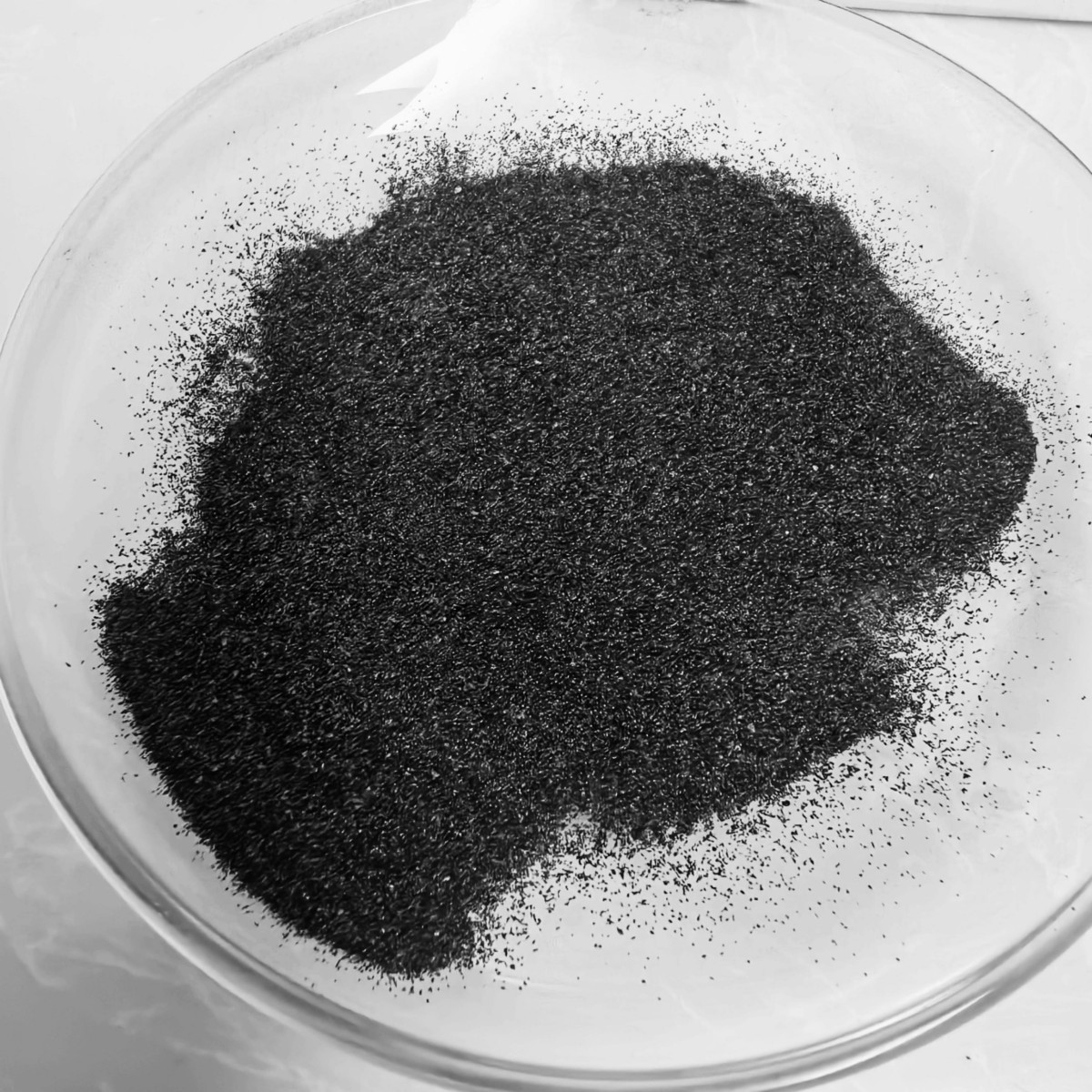
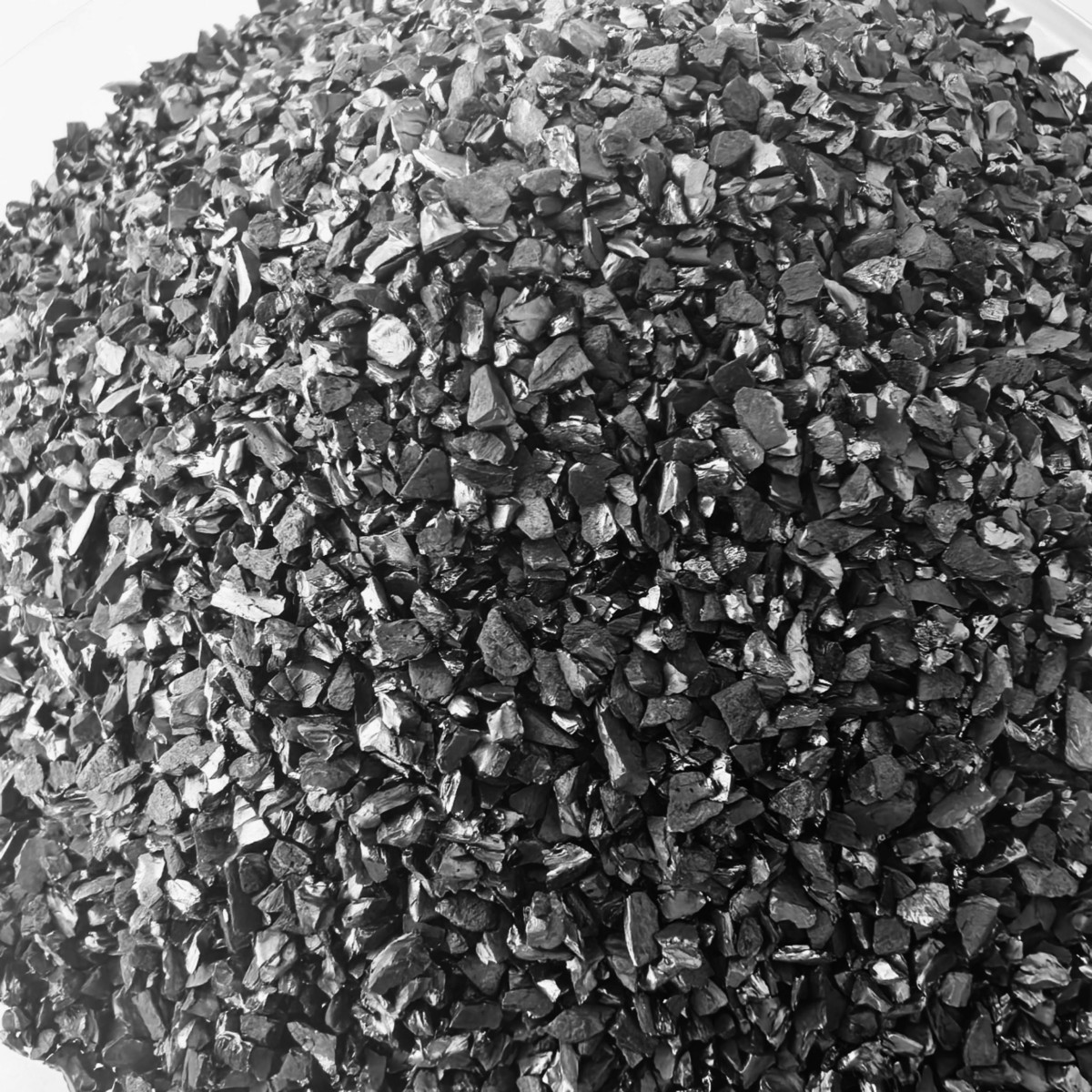
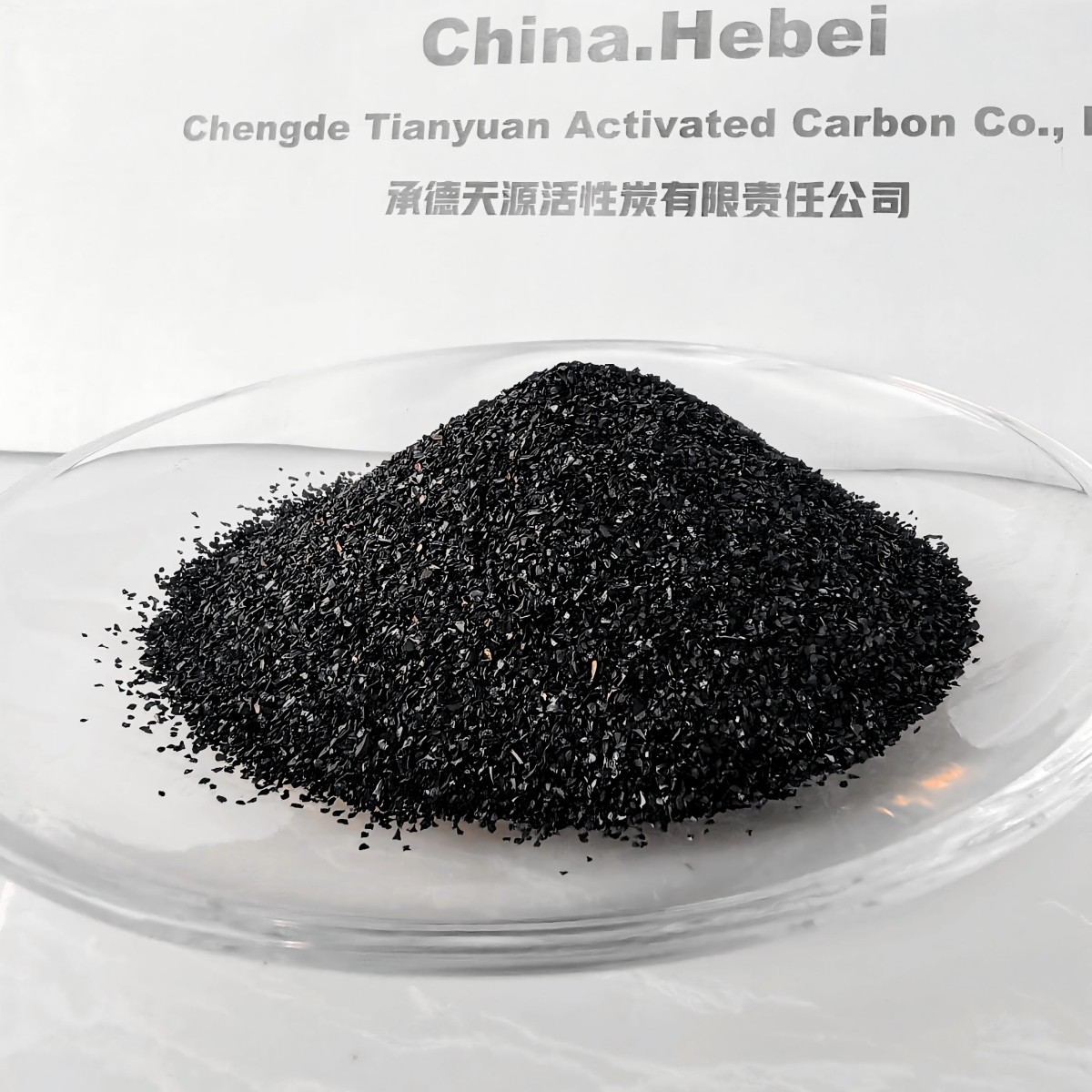
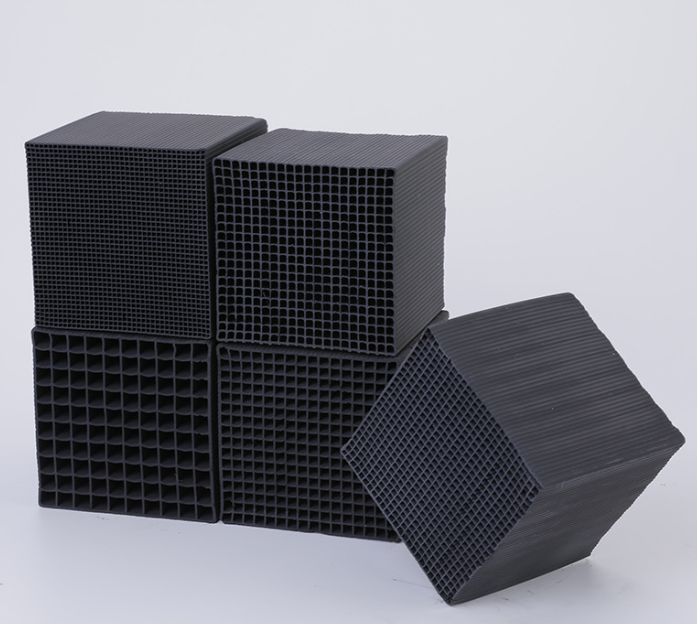
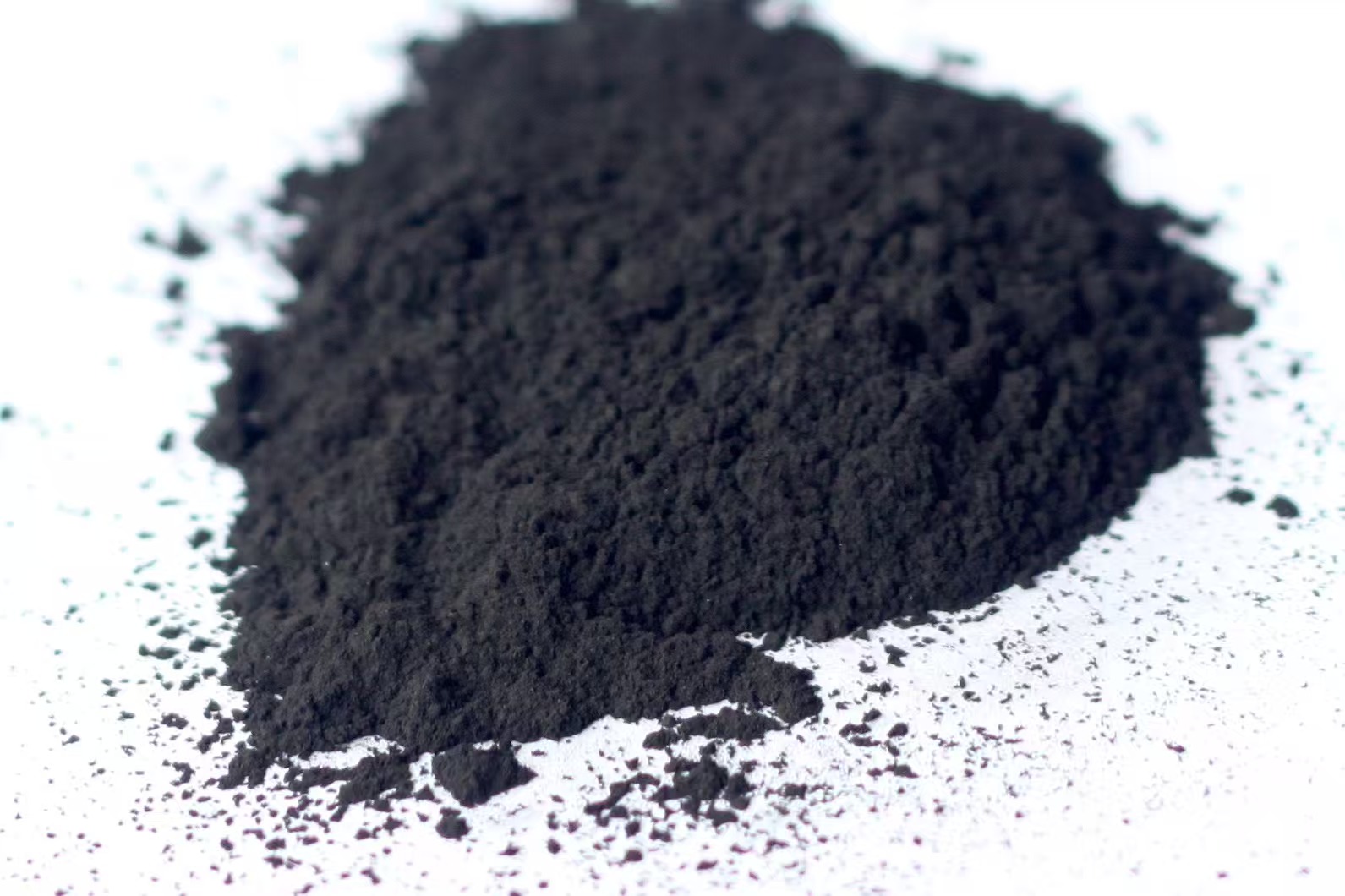
特种活性炭是相对于通用型活性炭而言,通过改性、复合、精准调控孔结构等特殊工艺制备,具备特定吸附性能、化学活性或物理特性的活性炭产品。它突破了通用活性炭 “广谱吸附” 的局限,可针对性满足环保、化工、医药、食品、新能源等领域的高端需求,是现代工业体系中不可或缺的功能性材料。
从原料来看,特种活性炭的选材范围比通用活性炭更严苛且多元。通用活性炭多以木屑、煤质、果壳为原料,而特种活性炭会根据应用场景选择专用基材,比如以椰壳为原料制备高比表面积的净水特种炭,以沥青基炭纤维为原料制备导电特种炭,以生物质秸秆为原料制备可降解的环保特种炭。部分高端特种活性炭还会采用树脂炭、石墨烯复合炭等新型基材,进一步提升性能上限。
其核心制备工艺的特殊性,是特种活性炭区别于通用产品的关键。常规活性炭仅需经过炭化、活化两步工序,而特种活性炭会增加改性处理环节,主要分为物理改性、化学改性和复合改性三类。物理改性通过调整活化温度、活化剂浓度、保温时间等参数,精准控制活性炭的孔道结构 —— 比如制备用于 VOCs 治理的特种炭时,会定向打造 2-5nm 的中孔结构,提升对大分子有机污染物的吸附容量;化学改性则通过浸渍、负载、接枝等方式,在活性炭表面引入特定官能团或活性物质,例如负载银离子的抗菌特种活性炭,可用于饮用水净化和医疗器械消毒;复合改性是将活性炭与分子筛、光催化剂、磁性材料等复合,形成 “吸附 + 降解”“吸附 + 分离” 的多功能材料,典型代表是光催化复合活性炭,能在吸附甲醛后,利用紫外线将其分解为二氧化碳和水,避免二次污染。
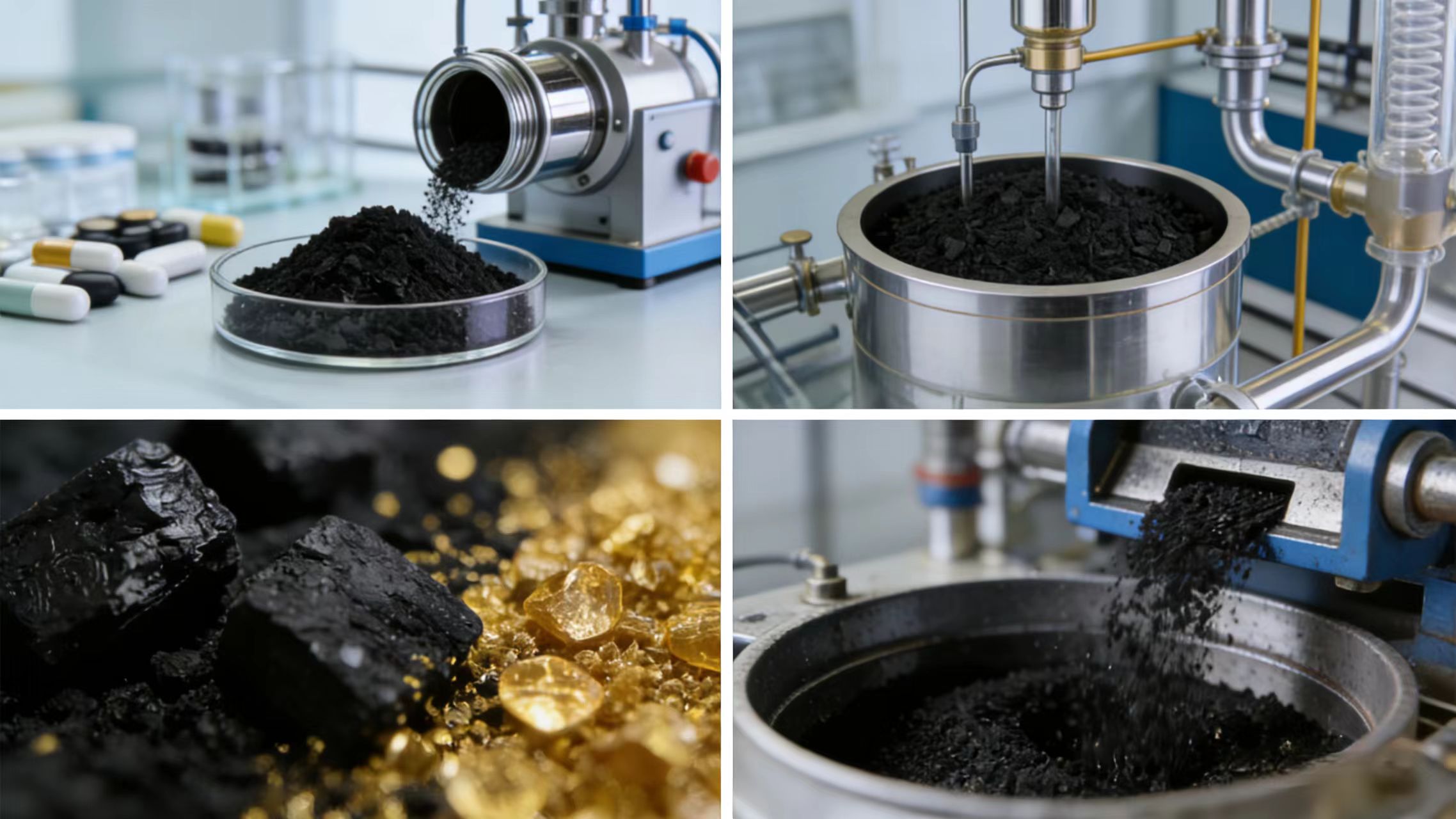
在性能层面,特种活性炭具有专一性强、效率高、稳定性好的显著优势。通用活性炭对各类物质的吸附缺乏选择性,而特种活性炭可根据目标物质的分子大小、极性、化学性质进行定制化设计。例如在黄金提取行业,专用的氰化金吸附特种炭,对氰化金络离子的吸附率可达 99% 以上,远高于通用活性炭;在锂电行业,用于电极材料的特种活性炭,不仅具备高比表面积,还拥有优异的导电性和循环稳定性,能提升锂电池的能量密度和充放电寿命。此外,特种活性炭的耐酸碱性、耐高温性也远超通用产品,可适应化工高温反应釜、冶金强酸废液处理等恶劣工况。
特种活性炭的应用领域覆盖国民经济多个关键环节,且呈现出 “高精尖” 的应用特征。在环保领域,它是工业废气治理、废水深度处理的核心材料,如针对制药废水的难降解有机物,专用特种活性炭可实现靶向吸附;在医药领域,药用特种活性炭需符合药典标准,可用于注射液的脱色、除热原,以及口服药的解毒止泻;在食品领域,食品级特种活性炭可用于蔗糖、果葡糖浆的脱色提纯,以及白酒、果汁的除杂保鲜;在新能源领域,特种活性炭作为超级电容器的电极材料,具备充电速度快、循环寿命长的特点,是储能行业的重要材料;在军工领域,防毒面具用的特种活性炭,可快速吸附芥子气、沙林等有毒气体,保障人员生命安全。
随着环保政策趋严、高端制造业升级,特种活性炭的市场需求持续增长。与通用活性炭相比,特种活性炭的附加值更高,利润空间可达 3-5 倍。但同时,其生产也面临技术门槛高、研发投入大的挑战,需要企业具备材料研发、工艺优化、应用测试的全链条能力。未来,随着纳米技术、生物制造技术的融入,特种活性炭将朝着 “超高性能、绿色制备、智能响应” 的方向发展,例如可降解特种活性炭、温度响应型智能吸附炭等新型产品,将进一步拓展其应用边界,为各行业的高质量发展提供材料支撑。
Specialized Activated Carbon: The New Core of Customized Adsorption Materials. Unlike conventional activated carbon, this product is manufactured through specialized processes including modification, compounding, and precise pore structure control. It exhibits unique adsorption capabilities, chemical reactivity, or physical properties. Breaking free from the limitations of general-purpose activated carbon's "broad-spectrum adsorption," it specifically addresses the high-end demands of environmental protection, chemical engineering, pharmaceuticals, food processing, and new energy sectors. As an indispensable functional material in modern industrial systems, it represents a significant advancement in material science.
In terms of raw materials, the selection criteria for specialty activated carbon are more stringent and diverse compared to general-purpose activated carbon. While general-purpose activated carbon is primarily made from wood chips, coal, and fruit shells, specialty activated carbon utilizes specialized substrates tailored to specific applications. For instance, coconut shells are used to produce high-surface-area water purification specialty carbon, asphalt-based carbon fibers create conductive specialty carbon, and biomass straw generates biodegradable eco-friendly specialty carbon. Some premium specialty activated carbon products even incorporate advanced substrates like resin carbon and graphene composite carbon to further enhance performance limits.
The unique preparation process of specialty activated carbon is the key factor distinguishing it from general-purpose products. Conventional activated carbon only requires two steps: carbonization and activation, while specialty activated carbon involves additional modification processes, primarily categorized into physical modification, chemical modification, and composite modification. Physical modification precisely controls the pore structure of activated carbon by adjusting parameters such as activation temperature, activator concentration, and holding time—for example, when producing specialty carbon for VOCs treatment, 2-5nm mesoporous structures are intentionally created to enhance adsorption capacity for large molecular organic pollutants. Chemical modification introduces specific functional groups or active substances to the surface through methods like impregnation, loading, or grafting. For instance, silver-loaded antibacterial specialty activated carbon can be used for drinking water purification and medical device disinfection. Composite modification combines activated carbon with molecular sieves, photocatalysts, magnetic materials, and other components to create multifunctional materials with "adsorption + degradation" or "adsorption + separation" capabilities. A typical example is photocatalytic composite activated carbon, which can decompose formaldehyde into carbon dioxide and water using ultraviolet light after adsorption, effectively preventing secondary pollution.
In terms of performance, specialty activated carbon demonstrates distinct advantages including high specificity, superior efficiency, and excellent stability. Unlike general-purpose activated carbon that lacks selectivity in adsorbing various substances, specialty activated carbon can be customized according to the molecular size, polarity, and chemical properties of target substances. For instance, in the gold extraction industry, specialized gold cyanide adsorption specialty carbon achieves an adsorption rate of over 99% for gold cyanide complexes, significantly outperforming general-purpose activated carbon. In the lithium battery industry, specialty activated carbon used as electrode material not only features a high specific surface area but also exhibits outstanding conductivity and cycling stability, enhancing both the energy density and charge-discharge cycle life of lithium batteries. Additionally, specialty activated carbon surpasses general products in acid/alkali resistance and high-temperature tolerance, making it suitable for harsh working conditions such as chemical high-temperature reactors and metallurgical treatment of strong acid waste liquids.
Specialty activated carbon finds applications across multiple critical sectors of the national economy, demonstrating cutting-edge technological characteristics. In environmental protection, it serves as a core material for industrial exhaust treatment and advanced wastewater processing. For instance, specialized activated carbon effectively targets refractory organic compounds in pharmaceutical wastewater. In pharmaceutical applications, it meets pharmacopoeia standards for decolorization and pyrogen removal in injectables, as well as detoxification and anti-diarrheal effects in oral medications. In food processing, food-grade activated carbon is used for purification of sucrose and fructose-glucose syrup, while also aiding in impurity removal and preservation of liquor and fruit juices. Within the new energy sector, it functions as electrode material in supercapacitors, featuring rapid charging and extended cycle life, making it a vital component in energy storage systems. In military applications, the activated carbon in gas masks rapidly adsorbs toxic gases like mustard gas and sarin, ensuring personnel safety.
With tightening environmental policies and the advancement of high-end manufacturing, the market demand for specialty activated carbon continues to grow. Compared to general-purpose activated carbon, specialty activated carbon offers higher added value, with profit margins reaching 3-5 times. However, its production faces challenges such as high technical barriers and substantial R&D investments, requiring enterprises to possess comprehensive capabilities in material research, process optimization, and application testing. In the future, with the integration of nanotechnology and biomanufacturing, specialty activated carbon will evolve toward "ultra-high performance, green production, and intelligent response." New products like biodegradable specialty activated carbon and temperature-responsive smart adsorption carbon will further expand its application boundaries, providing material support for high-quality development across industries.


